-cropped.svg)
.jpeg)
There's a particular kind of frustration that happens when a child is learning something new in a room that's moving too fast. They fall behind, they stop asking questions, and eventually they stop trying. Not because they can't — but because they never had the chance to find out.
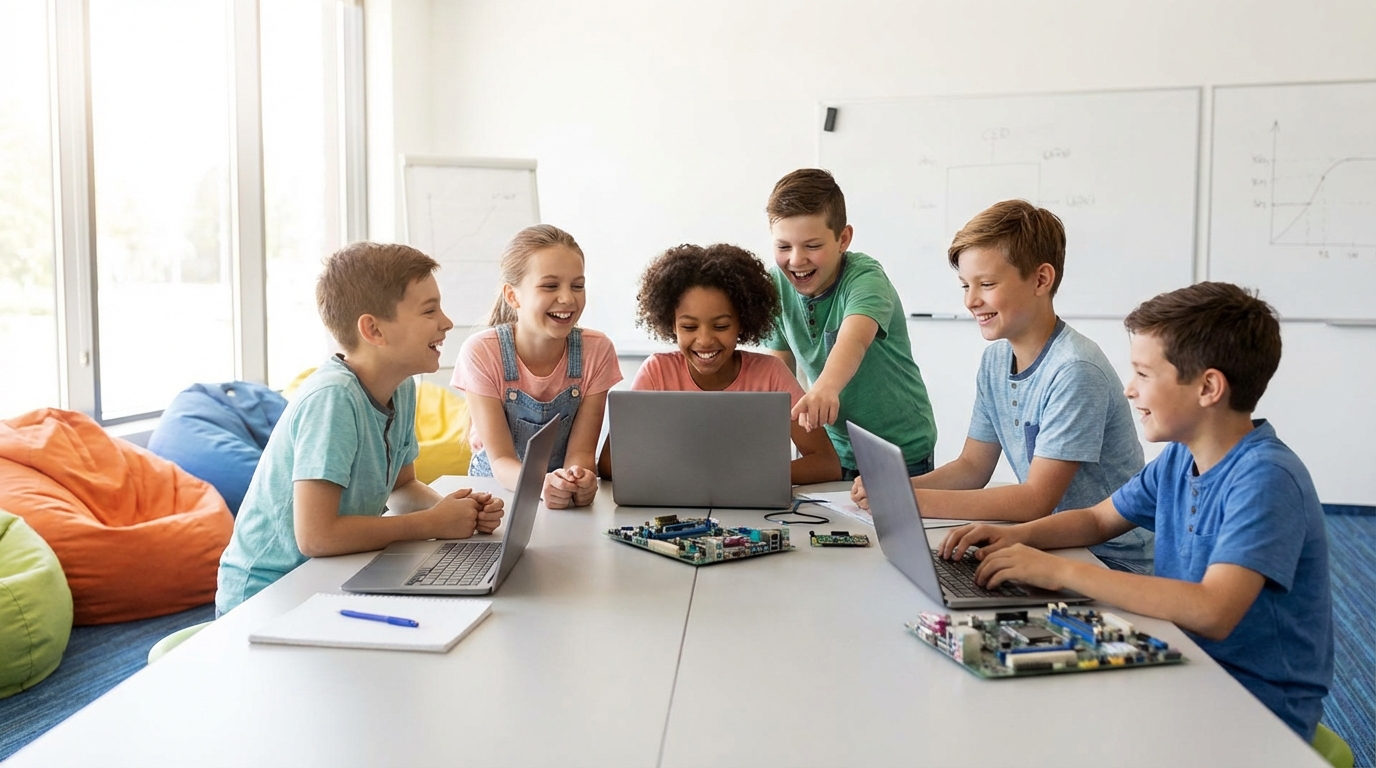
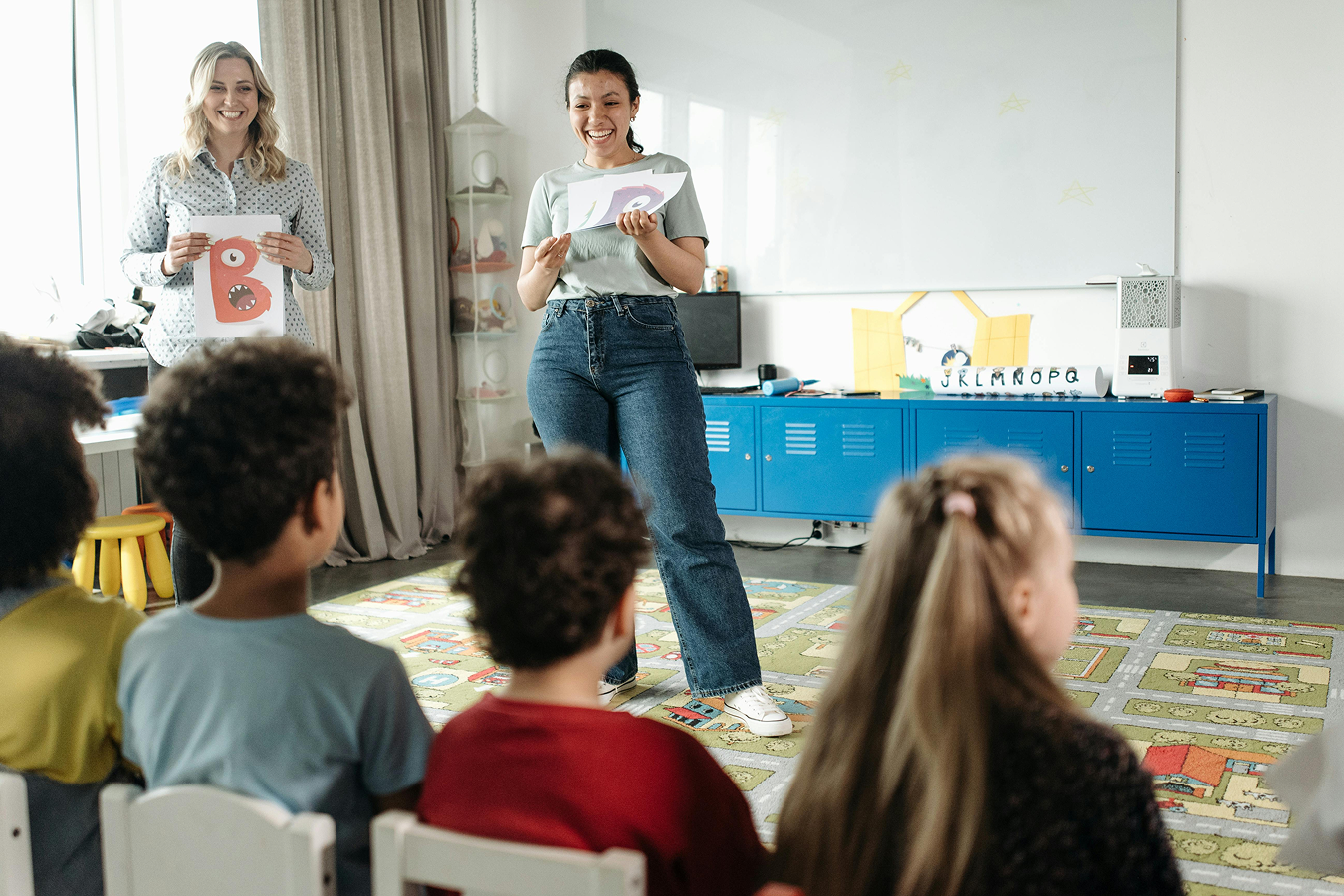
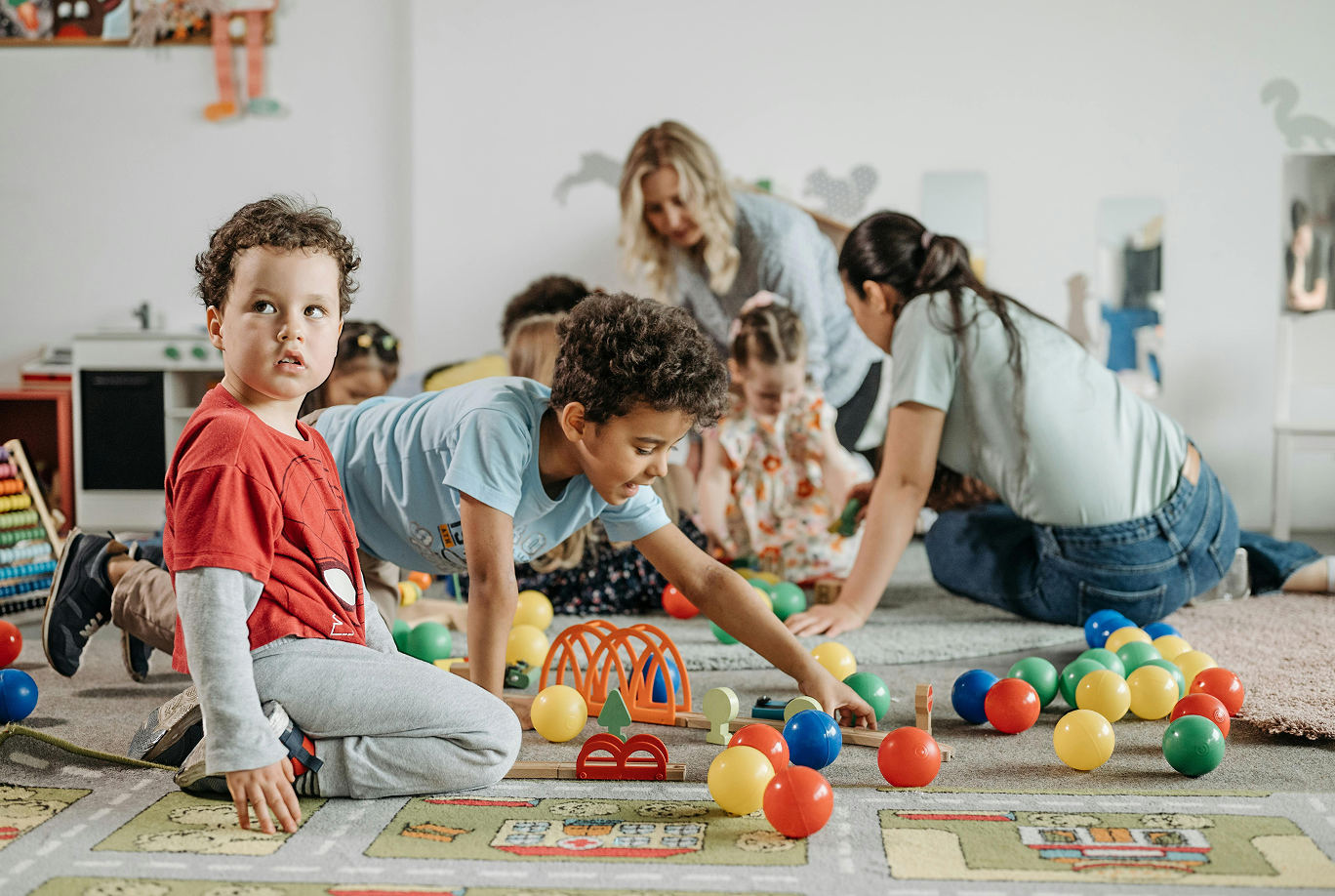
At BrightSide, we keep our groups intentionally small. Not because it's easier, but because it's better. Every child learns differently, moves at a different pace, and needs a different kind of encouragement. A small group makes all of that possible.
When a child knows their instructor actually knows their name — knows where they got stuck yesterday and what made them light up the day before — they show up differently. They take more risks. They ask more questions. They trust the process more.
That trust is the foundation everything else is built on.
And it only happens when there's enough space for every child to be seen.
The Power of Being Known
We've noticed that children in small groups develop a particular kind of confidence — not the loud, performative kind, but the quiet, rooted kind. The kind that comes from knowing you matter in the room you're in.
When kids feel known, they try harder. They support each other more generously. And they leave with not just new skills, but a new sense of what they're capable of.
Progress That's Personal
In a large group, progress is measured against everyone else. In a small group, it's measured against yourself — and that's a much more useful comparison.
At BrightSide, we celebrate every child's individual growth. The kid who was afraid to start is just as celebrated as the one who built something complex. Because both of those are wins. And in a small group, we never miss them.